
AI in Aviation: Navigating the Skies of Transformation
The aviation industry, when dependent on human skill and manual cycles, has now made a jump into the future with the integration of Artificial Intelligence. This groundbreaking innovation is upsetting how we fly, making air travel more secure, more effective, and progressively computerized. In this article, we’ll investigate the different ways AI is transforming the aviation sector and how these advancements are molding the fate of flying.
Enhanced Safety Measures
 Security has forever been a main concern in flight, and artificial intelligence is assuming an essential part in supporting it further. Machine learning algorithms examine immense amounts of information, anticipating possible issues before they become significant. These prescient examinations help in preplanned support, decreasing the risk of mid-air disappointments and guaranteeing the well-being of travelers and teams.
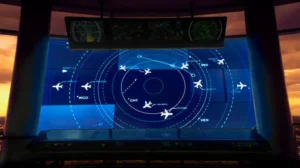
Also, Artificial Intelligence is further developing air traffic management frameworks, improving courses and timetables to limit delays and congestion. Upgraded correspondence and coordination between airplanes are made possible through AI, lessening the probability of accidents and close misses.
Autonomous Flight Control
The idea of independent flight has been a subject of interest for some, and AI is transforming this vision into the real world. From take-off to landing, AI-driven frameworks have some control over and explore airplanes, with negligible human mediation. This diminishes the responsibility on pilots as well as upgrades the accuracy and productivity of flight activities.
Autonomous flight control frameworks influence ongoing information, including atmospheric conditions, air traffic, and airplane execution measurements, to make split-subsequent decisions. This degree of robotization isn’t just making flights more secure, but on the other hand, is adding to eco-friendliness and lessening natural effects.
Cabin Crew Assistance
Beyond the cockpit, AI is making advances in helping lodge group individuals. Natural Language Processing (NLP) calculations power menial helpers who can comprehend and answer travelers’ requests. These AI-driven colleagues help in conveying customized services, overseeing in-flight errands, and in any event giving language interpretation services, adding to a smoother and more pleasant travel experience.
Also, AI-based reconnaissance frameworks are upgrading safety efforts inside the airplane. Facial acknowledgment innovation is being used to recognize and oversee potential security dangers, adding a layer of assurance for both travelers and the team.
Predictive Maintenance
Keeping an airplane in ideal condition is essential for safe and effective tasks. AI is changing conventional support practices into proactive and prescient models. Sensors and IoT gadgets assemble continuous information from airplane parts, and AI algorithms dissect this data to anticipate likely disappointments.
By recognizing issues before they arise, aircraft can plan upkeep exercises more proficiently, lessening margin time and improving the general dependability of their fleets. This prescient support approach improves security as well as adds to the cost of reserve funds for carriers.
AI in Training and Simulation
The flight business intensely depends on thorough preparation projects to guarantee the ability of pilots and other staff. AI is currently playing a critical part in these preparation processes. High-level test systems fueled by AI algorithms give pilots sensible situations to explore, permitting them to encounter a large number of circumstances, including crises, unfriendly weather patterns, and specialized disappointments.
This AI-driven preparation improves the abilities and critical thinking skills of flight experts, setting them up for true difficulties. It likewise lessens the general preparation time, making it more productive and practical for the two aircraft and training pilots.
Airline Customer Service
 Artificial intelligence is likewise making its presence felt in the client care area of the aviation industry. Chatbots and menial helpers fueled by artificial intelligence are taking care of routine client inquiries, giving data on flights, things to do, and other travel-related subtleties. This works on the proficiency of client care as well as permits human delegates to zero in on additional complex issues, offering superior general support to travelers.
Additionally, AI is adding to the personalization of traveler encounters. By breaking down client inclinations and conduct, airlines can offer designated advancements, customized in-flight entertainment choices, and customized services, upgrading consumer loyalty and reliability.
Challenges and Ethical Considerations
While the mix of AI in aviation achieves various advantages, it likewise presents difficulties and moral considerations. The dependence on AI frameworks raises worries about network protection, as these frameworks can be helpless against malignant assaults. Furthermore, inquiries regarding the moral utilization of AI in navigation, particularly in basic circumstances, need careful thought and guidelines.
Guaranteeing the mindful turn of events and organization of AI in the aviation industry is fundamental. Finding some kind of harmony between advancement and well-being requires a joint effort between industry partners, administrative bodies, and innovation engineers to lay out vigorous systems and principles.
Conclusion
Artificial Intelligence is unquestionably changing the flight business, achieving unprecedented levels of security, productivity, and advancement. From autonomous flight control to prescient support, AI is reshaping how we experience air travel. As the business keeps on embracing these innovative advancements, it is fundamental to explore the difficulties capably, ensuring that the skies stay completely safe for all travelers and teams. The eventual fate of flying is without a doubt interwoven with the development of AI, promising an excursion that isn’t just productive but also marked by phenomenal degrees of security and comfort.

